In this article I want to explain what a proper termite inspection in Bali covers — and why the difference between a thorough inspection and a casual look matters significantly in terms of what gets found. Termites in Bali are underground insects that cause damage from inside timber — the external surface often looks intact until the colony has consumed most of the timber's interior. A thorough inspection probes all suspect timber with a steel spike, checks for mud leads in all accessible concealed areas, and documents all findings. A casual visual inspection misses the majority of active infestations.
Inspection Scope
Subfloor Areas
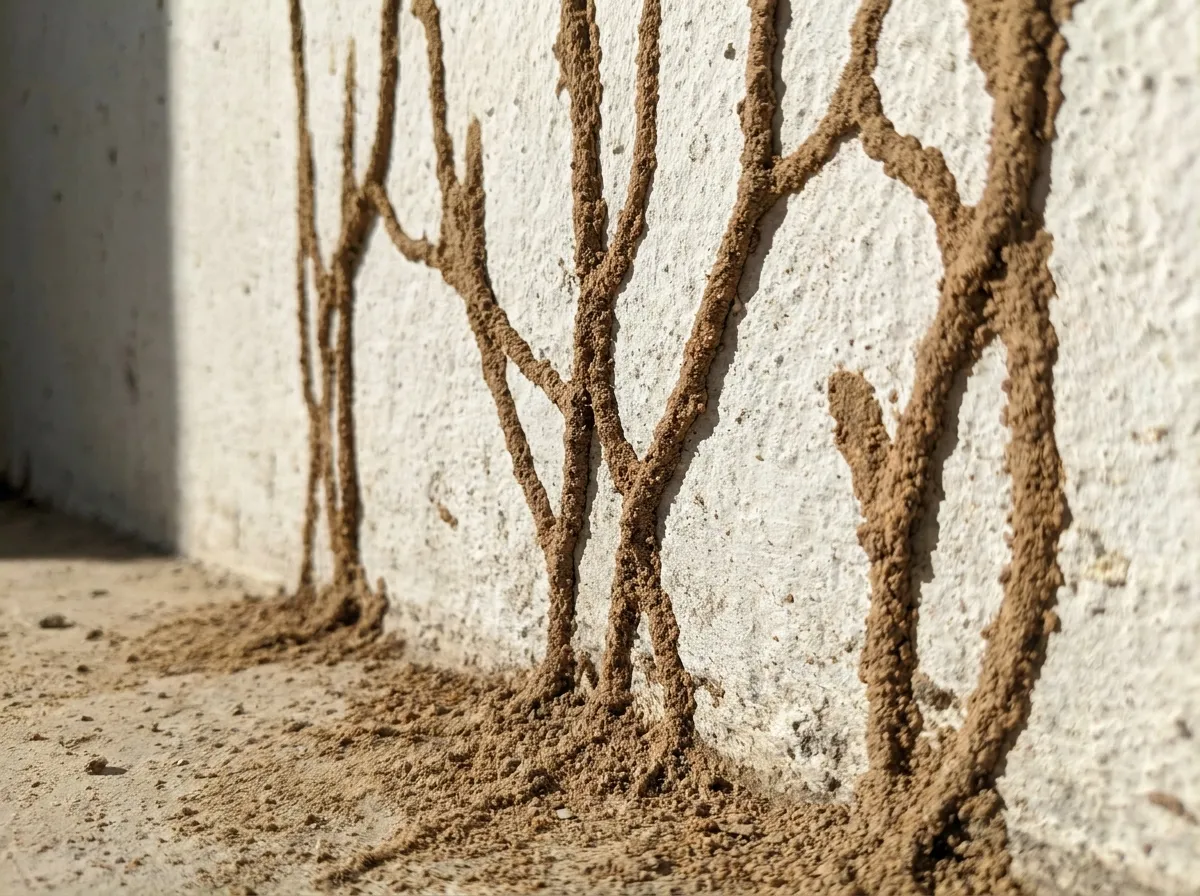
Where accessible, we inspect all subfloor spaces for mud shelter tubes running from soil to timber framing. These tubes are the primary indicator of active subterranean termite activity. Tubes are often hidden behind insulation, stored materials, or in corners not visible from the access hatch.
Roof Space
Roof timbers are a primary target for both subterranean and drywood termites. We inspect rafters, purlins, ridge timbers and any stored timber in the roof space. Drywood termite evidence — frass deposits (powdery droppings) — is often found on flat surfaces below roof members.
Timber Framing & Cladding
All accessible framing members are probed to detect hollowing from internal feeding. Termites consume interior fibres while leaving surface layers intact — probing detects the hollow before the surface shows visible damage.
Garden Structures
Bali villas with timber pergolas, decking, garden furniture and fence structures often have termite activity in garden timber before it reaches the building. We include accessible garden structures in the inspection scope.
How Our Inspection Works
Property walk-through and history
We start by asking about the building's age, construction type and any previous termite activity or treatment. A villa built on former rice-field land in Canggu, or near forest in Ubud, carries a different risk profile to a concrete-frame townhouse in Denpasar, and that shapes where we look hardest.
External and perimeter check
We inspect the soil-to-timber contact points, garden structures, fences, decking and any timber touching the ground — the routes subterranean termites use to bridge from soil into the building.
Internal probing of suspect timber
All accessible framing, door and window frames, skirting and structural members are tapped and probed with a steel spike. Termites hollow timber from the inside, so probing detects damage long before the surface shows it.
Subfloor and roof void inspection
Where access allows, we check subfloor spaces for mud tubes and roof timbers for both subterranean leads and drywood frass — two of the most common places active infestations hide.
Written photo report
You receive a report via WhatsApp documenting every finding, clearly separating active infestation, old inactive damage, and at-risk areas, with a treatment recommendation and costs where termites are found.
What We Look For: Subterranean vs Drywood Termites
Bali has two termite groups, and a good inspection identifies which you have because they need different treatments. Subterranean termites nest in the soil and reach the building through mud shelter tubes; they are the cause of most serious structural damage on the island and are treated with a liquid soil barrier or bait stations. Drywood termites live entirely inside the timber and announce themselves with small piles of pellet-shaped frass beneath infested members; they are treated by direct injection or, in severe whole-structure cases, fumigation. Our report tells you exactly which you are dealing with so the treatment actually reaches the colony. If you have seen winged termites or piles of shed wings after the first wet-season rains, that is the strongest booking signal there is — see what a swarm means for your villa.
What You Receive
A written inspection report with WhatsApp photos of all findings, a clear distinction between active infestation, old inactive damage and at-risk areas, and a treatment recommendation with options and costs where active termites are found. The report is useful beyond treatment planning — it documents the property's termite status for rental management records, villa sale due diligence, or insurance.
Inspection Pricing
| Service | Guide Price (IDR) | Notes |
|---|---|---|
| Termite inspection | 350,000–550,000 | Written photo report included |
| Pre-purchase / pre-lease inspection | 350,000–550,000 | Due-diligence report |
| Annual monitoring inspection | From 350,000 | Per visit, returning clients |
All prices are guide ranges; you get a firm quote on WhatsApp before we book. See the full pricing page.
FAQ
How long does a termite inspection take?
A standard villa inspection takes 45–90 minutes depending on size and how much subfloor and roof space is accessible. The written report follows the same day or next business day.
How often should I inspect my villa?
Annually. Bali's colonies stay active year-round, so a yearly inspection is the baseline for any timber-framed villa — sooner for older or high-risk properties near forest or former rice fields.
Can you inspect before I buy or rent?
Yes. A pre-purchase or pre-lease inspection documents the property's termite status for due diligence and is useful for sale, rental and insurance records.
Book a Termite Inspection
Tell us the property location and approximate age. We'll schedule an inspection and provide the written report same day or next business day.
Book Inspection